
Piles, Fissure & Fistula
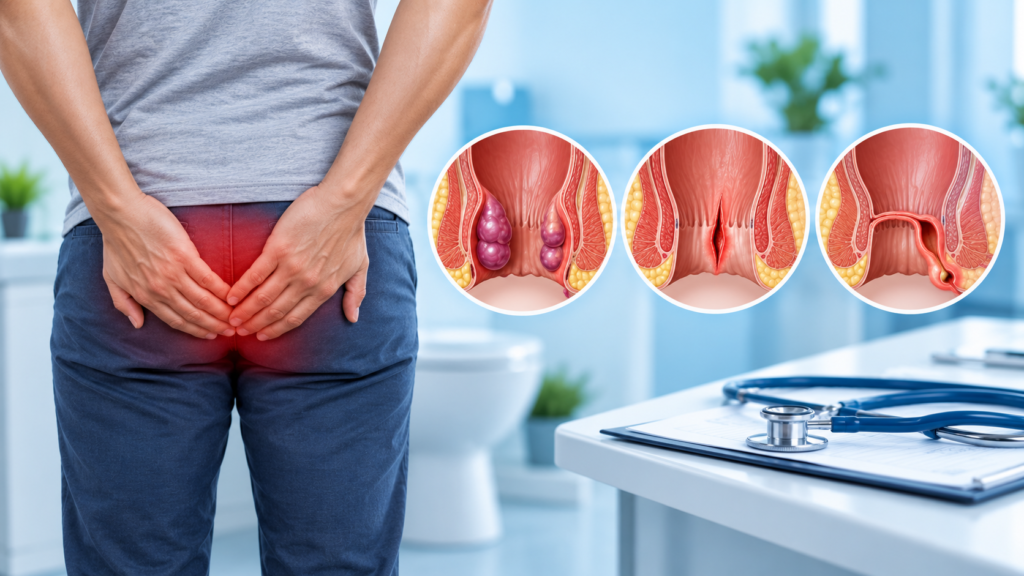
Piles, Fissure & Fistula: Understanding Your Treatment Options Piles, fissures, and fistulas are common anorectal conditions that can cause pain, bleeding, itching, swelling, or discomfort while passing stools. Although these conditions may have similar symptoms, their causes and treatments are different. Early diagnosis and appropriate treatment can help prevent complications and improve quality of life. Piles Treatment Piles, also known as hemorrhoids, occur when the blood vessels around the anus or lower rectum become swollen. Depending on the severity, piles treatment may include dietary and lifestyle changes, medications, minimally invasive procedures, or surgery. Fissure Treatment An anal fissure is a small tear in the lining of the anus, commonly associated with constipation, hard stools, or straining during bowel movements. Fissure treatment focuses on relieving pain, improving bowel movements, and allowing the tear to heal. Persistent or chronic fissures may require medical procedures or surgery. Fistula Treatment An anal fistula is an abnormal tunnel that develops between the anal canal and the surrounding skin, often following an infection or abscess. Unlike some cases of piles or fissures, fistula treatment generally requires a procedure to address the fistula tract and prevent recurrence. Choosing the Right Treatment The right treatment depends on the type and severity of the condition, symptoms, medical history, and overall health. Consulting a qualified colorectal or proctology specialist can help ensure an accurate diagnosis and personalized treatment plan. If you experience persistent anal pain, rectal bleeding, swelling, discharge, or discomfort during bowel movements, it is important to seek medical advice rather than self-treating. Early evaluation can lead to faster relief and better treatment outcomes. Frequently Asked Questions 1. What is the difference between piles, fissure, and fistula?Piles are swollen blood vessels around the anus, a fissure is a small tear in the anal lining, and a fistula is an abnormal tunnel that usually develops between the anal canal and nearby skin. 2. What are the common symptoms of piles, fissure, and fistula?Common symptoms include anal pain, rectal bleeding, itching, swelling, discomfort during bowel movements, and, in cases of fistula, pus or abnormal discharge. 3. Can piles, fissures, and fistulas be treated without surgery?Mild piles and some acute fissures may improve with medicines, dietary changes, hydration, and lifestyle modifications. Fistulas and severe or persistent cases may require a minimally invasive procedure or surgery. 4. When should I see a doctor for piles, fissure, or fistula?You should consult a specialist if you have persistent pain, rectal bleeding, swelling, recurrent symptoms, or anal discharge. Early diagnosis can help determine the most appropriate treatment.