
Understanding Gallstones
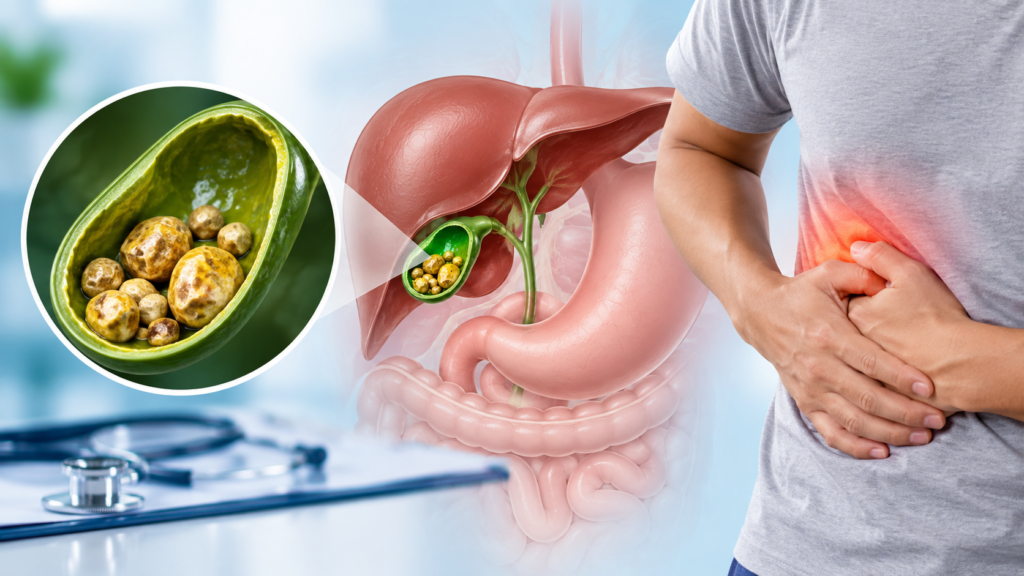
Understanding Gallstones: Symptoms, Causes & Treatment Gallstones are a common digestive condition that can affect people of all ages. They are small, hardened deposits that develop inside the gallbladder and may cause abdominal pain, nausea, vomiting, or other digestive symptoms. While some people with gallstones have no symptoms at all, others may experience painful attacks that require medical treatment. Understanding the symptoms, causes, risk factors, and treatment options for gallstones can help you recognize the condition early and seek appropriate medical care. What Are Gallstones? Gallstones are solid particles that form inside the gallbladder. The gallbladder is a small, pear-shaped organ located beneath the liver. Its main function is to store and release bile, a digestive fluid that helps the body break down fats. Gallstones can vary in size—from as small as a grain of sand to as large as a golf ball. They are mainly classified into two types: A person may have a single gallstone or several stones at the same time. What Causes Gallstones? Gallstones develop when the substances that make up bile become imbalanced or when the gallbladder does not empty properly. Some common causes and contributing factors include: 1. Excess Cholesterol in Bile When bile contains more cholesterol than it can dissolve, excess cholesterol may form crystals that gradually develop into gallstones. 2. High Levels of Bilirubin Bilirubin is produced when the body breaks down red blood cells. Certain medical conditions can increase bilirubin levels and contribute to the formation of pigment gallstones. 3. Poor Gallbladder Emptying If the gallbladder does not empty completely or frequently enough, bile can become concentrated, increasing the likelihood of stone formation. Risk Factors for Gallstones Several factors can increase the risk of developing gallstones, including: Having one or more risk factors does not necessarily mean that you will develop gallstones, but it may increase your likelihood of developing them. Gallstone Symptoms Many people have gallstones without experiencing any symptoms. These are sometimes called silent gallstones and may not require treatment unless they cause problems. When a gallstone blocks the flow of bile, symptoms can occur. Common gallstone symptoms include: Gallstone pain can last from several minutes to a few hours and may occur intermittently. When Should You See a Doctor? Severe or persistent abdominal pain should not be ignored. Seek prompt medical attention if abdominal pain is accompanied by: These symptoms may indicate a complication such as inflammation or infection of the gallbladder or blockage of the bile ducts. How Are Gallstones Diagnosed? A doctor will usually begin by reviewing your symptoms and medical history and performing a physical examination. Common tests used to diagnose gallstones include: Ultrasound An abdominal ultrasound is one of the most commonly used tests for detecting gallstones. It can help identify stones and signs of gallbladder inflammation. Blood Tests Blood tests may be recommended to look for signs of infection, inflammation, or problems involving the liver and bile ducts. Additional Imaging Tests Depending on your symptoms and initial test results, your doctor may recommend other imaging studies to examine the gallbladder and bile ducts in greater detail. Gallstones Treatment Options Treatment for gallstones depends on whether the stones are causing symptoms or complications. Observation for Silent Gallstones If gallstones are discovered incidentally and do not cause symptoms, treatment may not always be necessary. Your doctor may recommend monitoring the condition and seeking medical advice if symptoms develop. Medication In selected cases, medications may be used to dissolve certain cholesterol gallstones. However, this approach is not suitable for everyone and may take a long time. Gallstones can also return after treatment. Gallbladder Removal Surgery For people who have recurrent symptoms or complications from gallstones, gallbladder removal surgery, known as cholecystectomy, is a common treatment. The surgery is often performed using a minimally invasive laparoscopic technique. During the procedure, the gallbladder is removed along with the stones. Most people can live normally without a gallbladder because bile can continue to flow directly from the liver into the small intestine. Can Gallstones Be Prevented? Not all gallstones can be prevented, but healthy lifestyle habits may help reduce the risk. Consider: If you are experiencing recurring abdominal pain or digestive symptoms, speak with a qualified healthcare professional rather than attempting to self-diagnose or treat the condition. Frequently Asked Questions About Gallstones Are gallstones dangerous? Gallstones may cause no problems in some people. However, if a stone blocks a bile duct, it can lead to complications such as gallbladder inflammation, infection, or pancreatitis. Medical evaluation is important when symptoms occur. Can gallstones go away on their own? Some gallstones may remain in the gallbladder without causing symptoms. Once formed, gallstones do not usually disappear on their own. Treatment depends on whether they are causing symptoms or complications. What does gallstone pain feel like? Gallstone pain typically occurs in the upper right or upper middle abdomen. It may be sudden, intense, and sometimes spread toward the back or right shoulder. It can occur after meals, especially meals containing a lot of fat. Do all gallstones require surgery? No. People who have gallstones without symptoms may not need treatment. Surgery is generally considered when gallstones cause repeated symptoms or complications. Can you live normally without a gallbladder? Yes. Most people can live a normal, healthy life after gallbladder removal. The liver continues to produce bile, which can flow directly into the digestive system.
Hernia
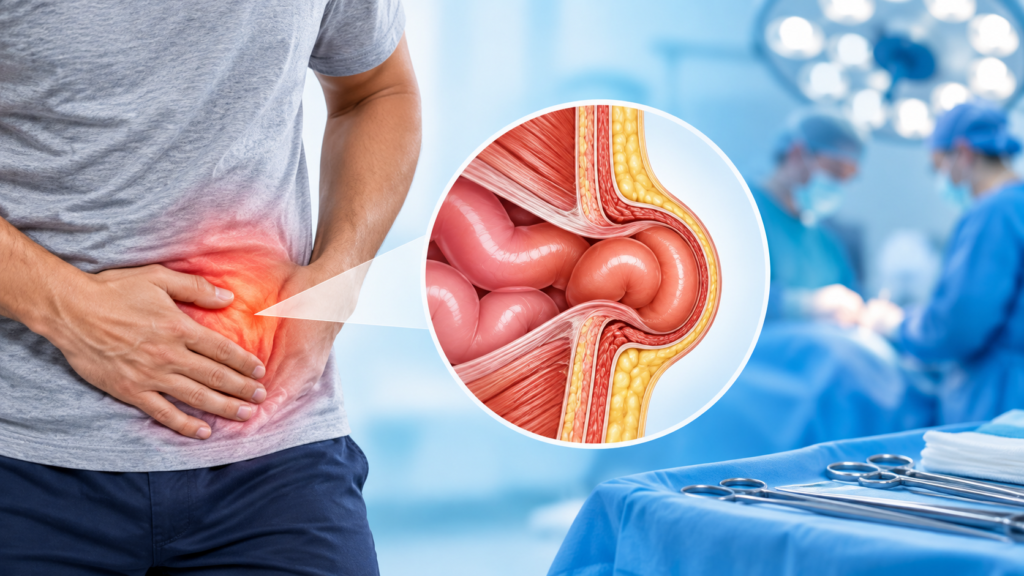
Hernia: Causes, Symptoms & Modern Treatment Options A hernia occurs when an internal organ or tissue pushes through a weak area in the surrounding muscle or connective tissue. Hernias commonly develop in the abdomen or groin and may cause a visible bulge, discomfort, or pain. Early diagnosis and appropriate treatment can help prevent complications and improve quality of life. Common Causes of Hernia A hernia can develop due to muscle weakness combined with increased pressure inside the abdomen. Common causes and risk factors include: Hernia Symptoms The symptoms of a hernia can vary depending on its type and severity. Common symptoms include: Some hernias may not cause noticeable symptoms initially and may be discovered during a routine medical examination. Types of Hernia Common types of hernia include: Modern Hernia Treatment Options Treatment depends on the type, size, symptoms, and overall health of the patient. Small, symptom-free hernias may sometimes be monitored by a doctor. When treatment is needed, hernia surgery is the most definitive option. Modern approaches include: Laparoscopic Hernia Repair Laparoscopic surgery uses small incisions and a camera to repair the weakened area. It may offer smaller scars and a potentially quicker recovery for suitable patients. Robotic Hernia Repair Robotic-assisted surgery provides the surgeon with enhanced visualization and precise instrument control. It can be an option for certain complex or recurrent hernias. Open Hernia Repair Open surgery involves an incision over the affected area to return the protruding tissue to its proper position and strengthen the weakened area, often using surgical mesh. Your surgeon can recommend the most appropriate approach after evaluating the hernia and your individual health needs. When Should You See a Doctor? A new or enlarging bulge, persistent pain, or discomfort in the abdomen or groin should be evaluated by a healthcare professional. Seek urgent medical attention if a hernia becomes suddenly very painful, firm, discolored, or cannot be pushed back, particularly if it is accompanied by vomiting or difficulty passing stool or gas. These may indicate a complication such as bowel obstruction or strangulation. Conclusion Hernias are common and often treatable. Recognizing the symptoms and getting an early medical evaluation can help determine whether monitoring or hernia repair surgery is appropriate. Modern surgical techniques, including laparoscopic and robotic approaches, provide several treatment options for eligible patients.
Piles, Fissure & Fistula
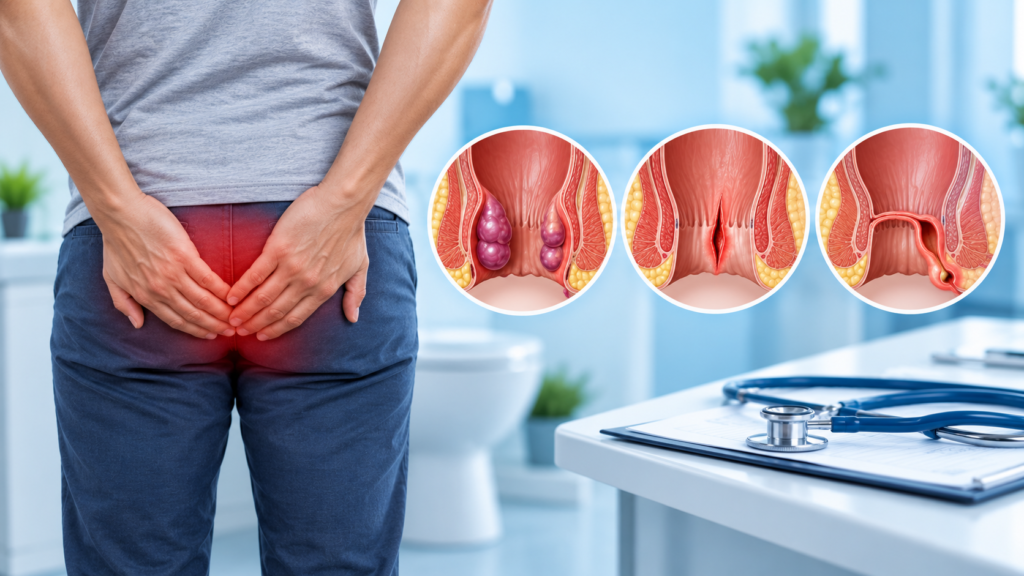
Piles, Fissure & Fistula: Understanding Your Treatment Options Piles, fissures, and fistulas are common anorectal conditions that can cause pain, bleeding, itching, swelling, or discomfort while passing stools. Although these conditions may have similar symptoms, their causes and treatments are different. Early diagnosis and appropriate treatment can help prevent complications and improve quality of life. Piles Treatment Piles, also known as hemorrhoids, occur when the blood vessels around the anus or lower rectum become swollen. Depending on the severity, piles treatment may include dietary and lifestyle changes, medications, minimally invasive procedures, or surgery. Fissure Treatment An anal fissure is a small tear in the lining of the anus, commonly associated with constipation, hard stools, or straining during bowel movements. Fissure treatment focuses on relieving pain, improving bowel movements, and allowing the tear to heal. Persistent or chronic fissures may require medical procedures or surgery. Fistula Treatment An anal fistula is an abnormal tunnel that develops between the anal canal and the surrounding skin, often following an infection or abscess. Unlike some cases of piles or fissures, fistula treatment generally requires a procedure to address the fistula tract and prevent recurrence. Choosing the Right Treatment The right treatment depends on the type and severity of the condition, symptoms, medical history, and overall health. Consulting a qualified colorectal or proctology specialist can help ensure an accurate diagnosis and personalized treatment plan. If you experience persistent anal pain, rectal bleeding, swelling, discharge, or discomfort during bowel movements, it is important to seek medical advice rather than self-treating. Early evaluation can lead to faster relief and better treatment outcomes. Frequently Asked Questions 1. What is the difference between piles, fissure, and fistula?Piles are swollen blood vessels around the anus, a fissure is a small tear in the anal lining, and a fistula is an abnormal tunnel that usually develops between the anal canal and nearby skin. 2. What are the common symptoms of piles, fissure, and fistula?Common symptoms include anal pain, rectal bleeding, itching, swelling, discomfort during bowel movements, and, in cases of fistula, pus or abnormal discharge. 3. Can piles, fissures, and fistulas be treated without surgery?Mild piles and some acute fissures may improve with medicines, dietary changes, hydration, and lifestyle modifications. Fistulas and severe or persistent cases may require a minimally invasive procedure or surgery. 4. When should I see a doctor for piles, fissure, or fistula?You should consult a specialist if you have persistent pain, rectal bleeding, swelling, recurrent symptoms, or anal discharge. Early diagnosis can help determine the most appropriate treatment.