
Talk to our team and get expert guidance for your surgical needs.
+91 88012 51947 Book a Consultation →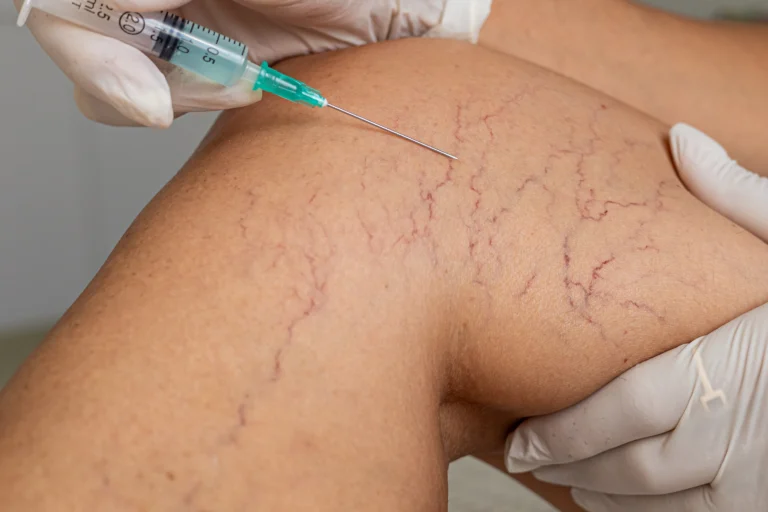
Varicose veins are enlarged, twisted veins that most commonly develop in the legs when the valves inside the veins do not function properly. These valves normally help blood flow back toward the heart. When they become weak or damaged, blood can accumulate within the veins, causing them to become swollen and prominent beneath the skin. Although varicose veins are often considered a cosmetic concern, they can sometimes cause discomfort, heaviness, swelling, skin changes, or other complications. Early evaluation by a qualified doctor can help determine the severity of the condition and the most appropriate treatment.
Varicose veins usually develop because of increased pressure within the veins of the legs and weakening of the vein valves. Several factors can increase the likelihood of developing varicose veins, including increasing age, a family history of vein problems, prolonged standing or sitting, pregnancy, excess body weight, and limited physical activity. Previous blood clots or injuries affecting the veins may also contribute to poor blood circulation. In some individuals, varicose veins can develop gradually over many years without a single identifiable cause.
The most noticeable sign of varicose veins is enlarged, twisted, or rope-like veins visible beneath the skin, particularly around the legs and feet. Some patients may experience aching, throbbing, burning, itching, or a feeling of heaviness in the legs, especially after prolonged standing. Swelling around the ankles and lower legs may also occur and can become more pronounced toward the end of the day. In more advanced cases, patients may develop changes in skin colour or texture, dryness, inflammation, or slow-healing wounds around the affected area.
Diagnosis of varicose veins begins with a detailed medical history and physical examination. The doctor may assess the appearance of the veins, check for swelling or skin changes, and evaluate blood circulation in the affected limb. A Doppler or duplex ultrasound is commonly used when a more detailed assessment is required. This non-invasive imaging test helps evaluate blood flow and identify problems with the vein valves, as well as detect any underlying vein obstruction or blood clot. The findings help the doctor determine the severity of venous disease and select an appropriate treatment approach.
Treatment for varicose veins depends on the severity of symptoms, the condition of the affected veins, and the patient’s overall health. Mild cases may initially be managed with lifestyle measures such as regular walking, maintaining a healthy weight, avoiding prolonged periods of standing or sitting, elevating the legs, and using compression stockings when recommended. When symptoms persist or the veins are more advanced, minimally invasive procedures may be considered. Depending on the individual case, treatment options can include sclerotherapy, endovenous laser treatment, radiofrequency ablation, or other vein procedures designed to close or treat the problematic vein and redirect blood flow through healthier veins. A specialist evaluation is important before choosing the most suitable treatment.
Post-treatment care plays an important role in supporting recovery and maintaining healthy circulation. Patients are generally encouraged to follow their doctor’s instructions regarding walking, physical activity, compression garments, medication, and wound care. Gentle movement may help promote circulation, while prolonged sitting or standing may need to be avoided during the initial recovery period. Follow-up appointments may be recommended to monitor healing and assess the treated veins. Individual recovery recommendations can vary depending on the procedure performed and the patient’s medical condition.
Many cases of varicose veins are manageable, but untreated or advanced venous disease can sometimes lead to complications. These may include persistent swelling, skin discolouration, inflammation of the veins, bleeding from prominent veins, and venous ulcers that are slow to heal. In some cases, superficial veins can develop painful blood clots or inflammation. More serious blood clots involving deeper veins are less common but require prompt medical attention. Appropriate diagnosis and timely treatment can help reduce the risk of complications.
Patients should consider consulting a doctor if varicose veins are causing persistent pain, swelling, heaviness, itching, skin changes, or difficulty with everyday activities. Medical evaluation is particularly important if a vein suddenly becomes painful, hard, red, or significantly swollen, or if there is unexplained swelling in one leg. Sudden chest pain, difficulty breathing, or coughing up blood requires emergency medical attention. Early assessment allows underlying vein problems to be identified and helps patients receive appropriate treatment before symptoms or complications become more significant.
Mon - Sat : 9:00 AM - 6:00 PM Sunday : By Appointment Only
Expert Surgical Care
for a Healthier Tomorrow
Copyright © 2026 drshashanksurgeon.com
All Right Reserved
Powered by Prigmasoft Technologies
www.prigmasoft.world
WhatsApp us