
Talk to our team and get expert guidance for your surgical needs.
+91 88012 51947 Book a Consultation →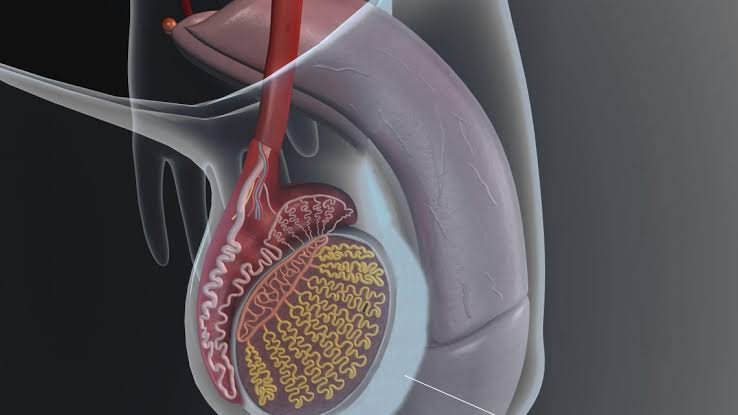
A hydrocele is a condition in which fluid collects around the testicle, causing swelling in the scrotum. It is usually painless and may develop gradually, although the swelling can sometimes become noticeable after physical activity or later in the day. Hydrocele can occur in newborns as well as adults, and in many cases it is not dangerous. However, scrotal swelling should not be ignored because other conditions, including infection, hernia, or a testicular problem, can cause similar symptoms. A proper medical evaluation helps determine the underlying cause and the most appropriate treatment.
In adults, a hydrocele may develop due to inflammation or injury affecting the testicle or surrounding tissues. It can also occur following an infection, surgery, or other conditions that cause fluid to accumulate around the testicle. In some cases, no specific cause can be identified. In infants, hydrocele commonly occurs when the passage between the abdomen and scrotum does not close completely before birth, allowing fluid to move into the scrotal sac. The cause and type of hydrocele are important factors when deciding whether observation or treatment is required.
The most common symptom of a hydrocele is painless swelling in one or both sides of the scrotum. The swelling may feel smooth, soft, or heavy and can gradually increase in size. Some patients may experience a feeling of pressure, heaviness, or mild discomfort, particularly when the hydrocele becomes large. In most cases, hydrocele does not directly affect sexual function or fertility, but significant swelling can cause discomfort during walking, exercise, or daily activities. Sudden or severe scrotal pain requires prompt medical assessment because it may indicate another condition rather than a simple hydrocele.
Diagnosis of hydrocele generally begins with a detailed medical history and physical examination. A doctor may examine the scrotum to assess the size, consistency, and location of the swelling. In some cases, a light test called transillumination may help identify fluid around the testicle. A scrotal ultrasound may be recommended when the diagnosis is uncertain or when the doctor needs to rule out other causes of swelling, such as a hernia, infection, or testicular mass. Accurate diagnosis is essential before deciding on treatment.
A small hydrocele that causes no symptoms may not require immediate treatment and can often be monitored with regular medical evaluation. If the hydrocele becomes large, uncomfortable, persistent, or interferes with daily activities, surgical treatment may be recommended. Hydrocelectomy is a commonly performed procedure in which the excess fluid is drained and the surrounding sac is treated to reduce the likelihood of recurrence. In selected situations, fluid aspiration may be considered, although fluid can build up again after aspiration. The recommended approach depends on the patient’s age, symptoms, hydrocele size, overall health, and underlying cause.
After hydrocele treatment, patients are generally advised to follow their doctor’s instructions regarding rest, wound care, medication, and physical activity. Mild swelling or discomfort may occur during the initial recovery period and usually improves gradually. Wearing supportive underwear and using prescribed pain relief can help make recovery more comfortable. Strenuous exercise, heavy lifting, and activities that place pressure on the surgical area may need to be avoided temporarily. Follow-up appointments allow the doctor to assess healing and identify any concerns early.
Hydrocele itself is usually a benign condition, but a large or persistent hydrocele can cause discomfort, heaviness, or difficulty with normal activities. When surgery is performed, possible complications can include infection, bleeding, swelling, bruising, recurrence, or injury to nearby structures, although these complications are generally uncommon when treatment is performed appropriately. Persistent or increasing swelling after treatment should be evaluated by a medical professional to determine whether further care is necessary.
Any new or unexplained swelling of the scrotum should be evaluated by a qualified doctor, even when it is painless. Medical attention is particularly important if the swelling increases rapidly, becomes painful, is associated with fever, redness, nausea, vomiting, or follows an injury. Sudden severe testicular pain is an emergency and requires immediate medical assessment. Early evaluation can help distinguish hydrocele from other scrotal conditions and ensure that appropriate treatment is provided without unnecessary delay.
Mon - Sat : 9:00 AM - 6:00 PM Sunday : By Appointment Only
Expert Surgical Care
for a Healthier Tomorrow
Copyright © 2026 drshashanksurgeon.com
All Right Reserved
Powered by Prigmasoft Technologies
www.prigmasoft.world
WhatsApp us