
Talk to our team and get expert guidance for your surgical needs.
+91 88012 51947 Book a Consultation →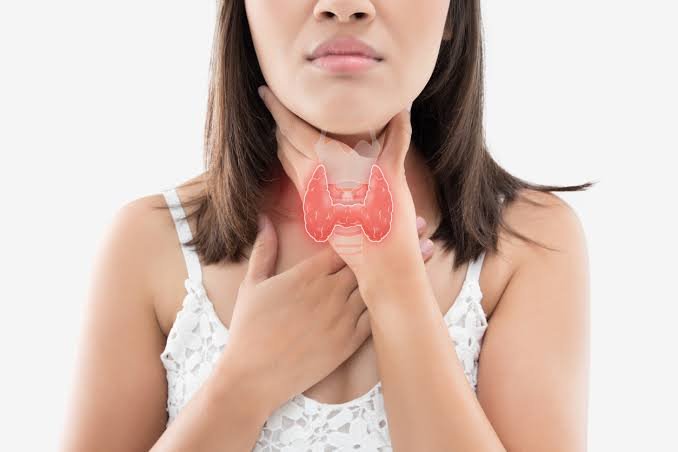
Thyroid disorders are conditions that affect the thyroid gland, a small butterfly-shaped gland located at the front of the neck. The thyroid produces hormones that help regulate metabolism, energy levels, body temperature, heart rate, and several other essential functions. When the gland produces too much or too little thyroid hormone, it can affect overall health and quality of life. Common thyroid disorders include hypothyroidism, hyperthyroidism, thyroid nodules, thyroiditis, and, in some cases, thyroid cancer. Early evaluation and appropriate management can help control symptoms and prevent complications.
Thyroid disorders can develop due to several factors, including autoimmune conditions, nutritional deficiencies or excesses, inflammation of the thyroid gland, certain medications, genetic factors, and abnormalities within the thyroid tissue. Hypothyroidism is commonly associated with autoimmune thyroid disease such as Hashimoto’s thyroiditis, while hyperthyroidism may occur due to Graves’ disease or overactive thyroid nodules. Thyroid problems can also arise during or after pregnancy, and a family history of thyroid disease may increase an individual’s risk.
The symptoms of thyroid disorders vary depending on whether the thyroid is underactive or overactive and may develop gradually. Hypothyroidism can cause persistent tiredness, weight gain, sensitivity to cold, dry skin, constipation, hair changes, difficulty concentrating, and a slower heart rate. Hyperthyroidism may lead to unexplained weight loss, increased sweating, heat intolerance, nervousness, difficulty sleeping, tremors, and a rapid or irregular heartbeat. Some patients may also notice swelling in the neck, difficulty swallowing, or a visible thyroid nodule.
A thyroid disorder is diagnosed through a combination of medical history, physical examination, and appropriate investigations. Blood tests measuring thyroid-stimulating hormone (TSH) and thyroid hormones such as free T4 help determine whether the thyroid is functioning normally. Depending on the findings, additional antibody tests, thyroid ultrasound, or other imaging may be recommended to assess the structure and activity of the gland. If a thyroid nodule is identified, a fine-needle aspiration biopsy may sometimes be required to determine whether the nodule is benign or requires further evaluation.
Treatment for thyroid disorders is tailored to the underlying condition, severity of symptoms, laboratory findings, and the patient’s overall health. Hypothyroidism is generally managed with thyroid hormone replacement medication, while hyperthyroidism may be treated with medicines that control thyroid hormone production, radioactive iodine therapy, or surgery in selected cases. Thyroid nodules may simply require regular monitoring when they are benign and stable, while suspicious or symptomatic nodules may need biopsy, surgery, or additional treatment. Regular follow-up helps ensure that treatment remains appropriate as thyroid function changes over time.
Ongoing monitoring is an important part of successful thyroid disorder management. Patients taking thyroid medication should follow the prescribed dose and schedule and attend recommended follow-up appointments so hormone levels can be checked and medication adjusted when necessary. A balanced diet, appropriate physical activity, adequate sleep, and attention to other medical conditions can support overall wellbeing. Patients should also inform their doctor about any new symptoms, medication changes, pregnancy, or significant changes in health, as these factors may influence thyroid management.
When properly diagnosed and treated, most thyroid disorders can be managed effectively. However, untreated or poorly controlled thyroid disease may contribute to significant health problems. Severe hypothyroidism can affect heart health, mental function, and metabolism, while prolonged hyperthyroidism may increase the risk of abnormal heart rhythms, bone loss, and other cardiovascular complications. Certain thyroid nodules may require further investigation because, although most are benign, a small proportion can be associated with thyroid cancer. Regular medical assessment helps identify and address these risks at an early stage.
You should consider consulting a doctor if you experience persistent fatigue, unexplained changes in weight, unusual sensitivity to heat or cold, changes in heart rate, sleep difficulties, unexplained anxiety, or changes in your skin or hair. A new swelling or lump in the neck, difficulty swallowing, or persistent throat discomfort should also be medically evaluated. If you have a family history of thyroid disease or have previously been diagnosed with a thyroid condition, regular follow-up can help maintain healthy thyroid function and reduce the risk of complications. Early diagnosis and personalized treatment can make thyroid disorders easier to manage and help patients maintain a better quality of life.
Mon - Sat : 9:00 AM - 6:00 PM Sunday : By Appointment Only
Expert Surgical Care
for a Healthier Tomorrow
Copyright © 2026 drshashanksurgeon.com
All Right Reserved
Powered by Prigmasoft Technologies
www.prigmasoft.world
WhatsApp us