
Talk to our team and get expert guidance for your surgical needs.
+91 88012 51947 Book a Consultation →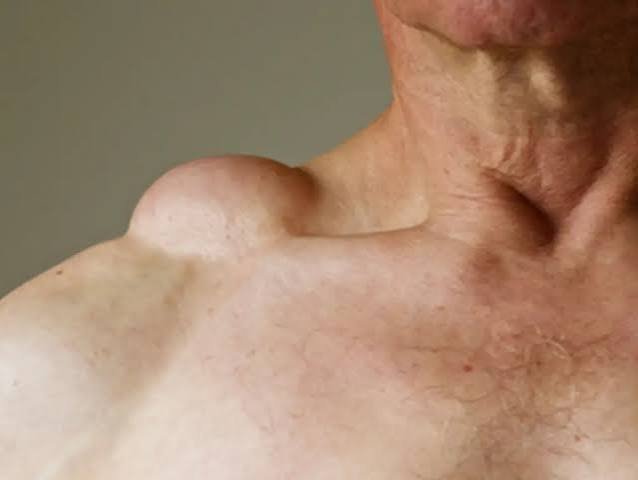
Soft tissue lumps are abnormal areas of swelling or a noticeable mass that can develop beneath or within the skin, muscles, connective tissues, or other soft tissues of the body. Many lumps are harmless and may be caused by conditions such as lipomas, cysts, muscle-related changes, or localized inflammation. However, a new or changing lump should not be ignored, particularly when it grows rapidly, becomes painful, feels unusually firm, or is associated with other concerning symptoms. A careful clinical assessment helps determine the nature of the lump and whether further investigation or treatment is required.
Anal fistulas most frequently occur following an anal abscess. When an infected anal gland becomes blocked, pus can accumulate and form an abscess. If the abscess drains spontaneously or is treated, a small passage may remain between the infected area and the skin, eventually developing into a fistula. Other possible causes include Crohn’s disease and other inflammatory bowel conditions, previous anorectal surgery or injury, tuberculosis, and certain less common infections. Identifying the underlying cause is important because it can influence both treatment and the likelihood of recurrence.
The appearance and symptoms of a soft tissue lump can vary considerably. Some lumps are small, soft, painless, and move slightly beneath the skin, while others may feel firm, fixed, or tender. Patients may notice swelling, localized discomfort, pressure, restricted movement, or sensitivity in the surrounding area. A lump that continues to enlarge, becomes increasingly painful, develops changes in the overlying skin, or is accompanied by unexplained weight loss, fever, or persistent fatigue warrants timely medical evaluation.
Diagnosis begins with a detailed medical history and physical examination. The doctor evaluates the lump’s size, consistency, mobility, location, duration, rate of growth, and relationship to nearby tissues. Depending on the findings, imaging such as ultrasound, X-ray, CT scan, or MRI may be recommended to understand the deeper structures and characteristics of the mass. In selected cases, a biopsy or tissue examination may be necessary to establish a definitive diagnosis and distinguish a benign condition from a more significant abnormality.
Treatment for soft tissue lumps depends entirely on the underlying diagnosis. Small, stable, and clearly benign lumps may sometimes be monitored without immediate intervention. When a lump causes pain, discomfort, functional limitation, recurrent inflammation, or significant concern, treatment may involve medication, management of the underlying inflammatory or musculoskeletal condition, or removal of the mass when appropriate. If the diagnosis is uncertain or the lump has concerning features, further specialist assessment and tissue diagnosis may be advised before deciding on treatment. The goal is to provide appropriate care while avoiding unnecessary procedures.
Post-treatment care depends on the procedure performed and the nature of the soft tissue lump. Patients may be advised to keep the treated area clean, protect it from excessive pressure or strain, and follow prescribed medication or wound-care instructions. After a procedure, mild soreness or swelling may occur temporarily, but patients should monitor the area for increasing redness, significant swelling, discharge, fever, or worsening pain. Attending scheduled follow-up appointments allows the doctor to assess healing and review any pathology or investigation results when applicable.
Most benign soft tissue lumps do not cause serious complications, but some may enlarge, become painful, become inflamed, or interfere with nearby muscles, nerves, or joints depending on their location. Treatment procedures can also carry potential risks such as infection, bleeding, scarring, recurrence, or temporary discomfort. A rapidly growing, deep, unusually firm, fixed, or persistent soft tissue mass requires careful evaluation because, although uncommon, certain soft tissue tumors can require more specialized management.
You should consult a doctor if you notice a new soft tissue lump that persists, grows, becomes painful, feels hard or fixed, or changes in appearance. Medical assessment is particularly important when a lump increases in size without an obvious explanation or is associated with persistent pain, numbness, weakness, fever, or unexplained weight loss. Early evaluation can provide reassurance when the lump is benign and allows appropriate investigation and treatment when further care is necessary.
Mon - Sat : 9:00 AM - 6:00 PM Sunday : By Appointment Only
Expert Surgical Care
for a Healthier Tomorrow
Copyright © 2026 drshashanksurgeon.com
All Right Reserved
Powered by Prigmasoft Technologies
www.prigmasoft.world
WhatsApp us