
Talk to our team and get expert guidance for your surgical needs.
+91 88012 51947 Book a Consultation →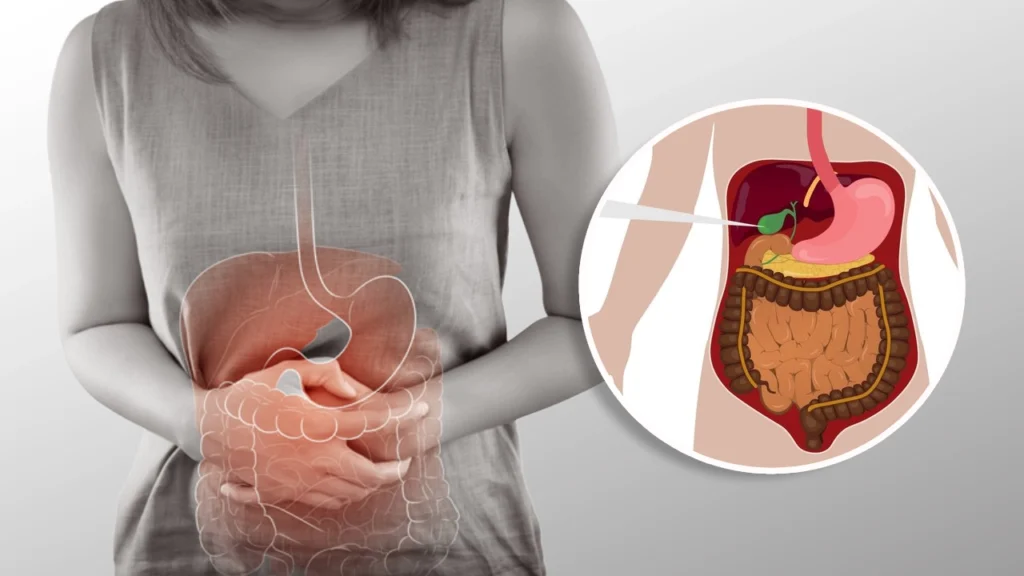
The gallbladder is a small, pear-shaped organ located beneath the liver that stores and concentrates bile, a digestive fluid produced by the liver. Gallbladder conditions can affect bile storage or the flow of bile through the biliary system. Common problems include gallstones, gallbladder inflammation, biliary obstruction, and infections. Some gallbladder conditions may remain unnoticed, while others can cause significant abdominal discomfort and require timely medical evaluation. Appropriate diagnosis and treatment can help prevent complications and support digestive health.
Gallbladder problems can develop for several reasons. Gallstones are among the most common causes and form when substances in bile, such as cholesterol or bilirubin, become imbalanced and crystallize. Factors that may increase the likelihood of gallstones include obesity, rapid weight loss, certain dietary patterns, pregnancy, increasing age, family history, and some medical conditions. Gallbladder inflammation, known as cholecystitis, often occurs when a gallstone blocks the normal flow of bile. In some cases, infections, bile duct problems, or other underlying conditions may also contribute to gallbladder disease.
Gallbladder problems may cause pain in the upper right or upper middle part of the abdomen, particularly after eating a heavy or fatty meal. The discomfort may sometimes extend toward the right shoulder or back. Other symptoms can include nausea, vomiting, indigestion, bloating, abdominal tenderness, and a feeling of fullness. When bile flow is significantly obstructed, patients may develop jaundice, dark urine, pale stools, or fever. Symptoms can vary depending on the underlying condition, and persistent or severe abdominal pain should be medically evaluated.
Diagnosis of gallbladder conditions generally begins with a detailed medical history and physical examination. The doctor may ask about the location and duration of abdominal pain, its relationship to meals, associated digestive symptoms, and previous episodes. Blood tests may be performed to assess liver function and identify signs of inflammation or infection. Abdominal ultrasonography is commonly used to detect gallstones, gallbladder inflammation, or changes in the biliary system. Depending on the findings, additional imaging or specialized tests may be recommended to obtain a clearer assessment of the gallbladder and bile ducts.
Treatment depends on the specific gallbladder condition, its severity, and the presence of complications. Gallstones that do not cause symptoms may sometimes be managed with observation and medical follow-up. When gallstones cause repeated pain or complications, surgical removal of the gallbladder, known as cholecystectomy, may be recommended. Laparoscopic gallbladder surgery is commonly performed through small incisions and may allow a faster recovery than traditional open surgery in appropriate patients. In cases involving infection or bile duct obstruction, additional medical or endoscopic treatment may be required.
After gallbladder treatment or surgery, patients should follow their doctor’s instructions regarding diet, medication, wound care, physical activity, and follow-up appointments. Following laparoscopic gallbladder surgery, gradual return to normal activities is generally encouraged according to individual recovery. Some patients may temporarily experience changes in digestion, particularly after consuming fatty foods. Maintaining a balanced diet, staying adequately hydrated, and gradually introducing foods as tolerated can support recovery. Any persistent or worsening symptoms should be discussed with the treating doctor.
Untreated gallbladder disease can sometimes lead to complications such as acute cholecystitis, infection, bile duct obstruction, pancreatitis, or inflammation of surrounding tissues. In severe cases, prolonged obstruction or infection may require urgent medical treatment. Gallbladder surgery is generally performed safely when appropriately indicated, but as with any surgical procedure, there can be risks such as bleeding, infection, injury to nearby structures, or complications related to anesthesia. The individual risks should be discussed with the doctor before treatment.
You should seek medical evaluation if you experience recurring or persistent pain in the upper right or upper middle abdomen, particularly after meals, or if abdominal pain is accompanied by nausea, vomiting, fever, or tenderness. Urgent medical attention is important if severe abdominal pain occurs with fever, jaundice, confusion, persistent vomiting, or other rapidly worsening symptoms. Early assessment can help identify gallstones or other gallbladder conditions and determine whether observation, medication, further investigation, or surgical treatment is appropriate.
Mon - Sat : 9:00 AM - 6:00 PM Sunday : By Appointment Only
Expert Surgical Care
for a Healthier Tomorrow
Copyright © 2026 drshashanksurgeon.com
All Right Reserved
Powered by Prigmasoft Technologies
www.prigmasoft.world
WhatsApp us