
Talk to our team and get expert guidance for your surgical needs.
+91 88012 51947 Book a Consultation →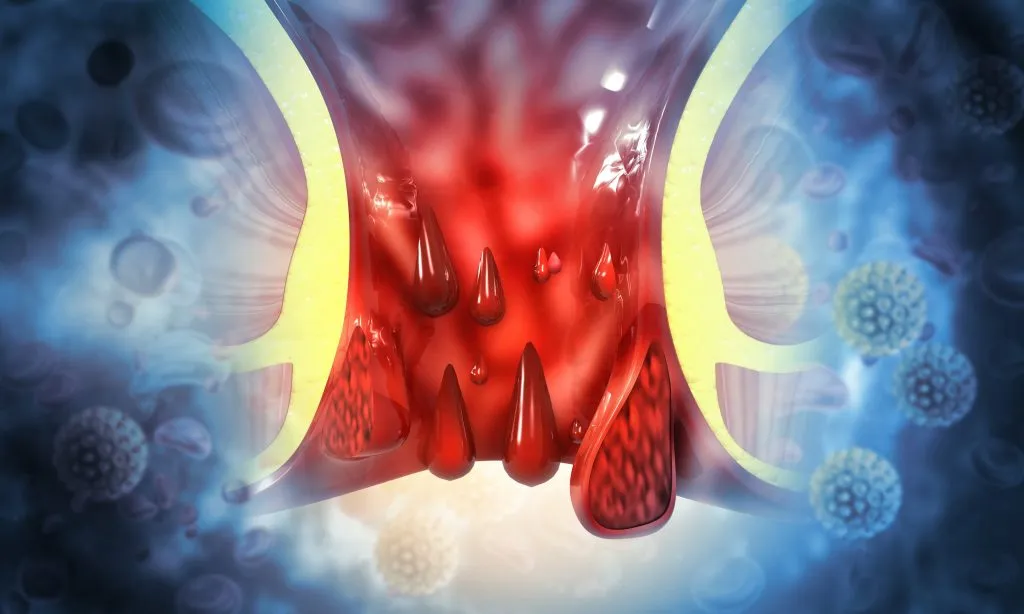
Piles, medically known as hemorrhoids, are swollen and enlarged blood vessels in the lower rectum or around the anus. They are a common condition and may develop internally inside the rectum or externally beneath the skin around the anus. While mild hemorrhoids often improve with appropriate lifestyle changes and home care, persistent or severe symptoms may require medical treatment. Timely evaluation by an experienced doctor can help identify the underlying cause of symptoms and determine the most appropriate treatment.
Piles can develop when increased pressure is placed on the veins of the lower rectum and anus. Common contributing factors include chronic constipation, straining during bowel movements, prolonged sitting on the toilet, a low-fibre diet, and inadequate fluid intake. Pregnancy, obesity, heavy lifting, and prolonged sitting or standing may also increase the risk. Repeated episodes of constipation or diarrhoea can further irritate the anal region and contribute to the development or worsening of hemorrhoids.
The symptoms of piles can vary depending on whether the hemorrhoids are internal or external and how advanced they are. Patients may notice bright red blood during or after passing stool, itching or irritation around the anus, discomfort, swelling, or a lump near the anal opening. Internal hemorrhoids may sometimes protrude during bowel movements, while external hemorrhoids can become painful, particularly if a blood clot forms within them. Persistent rectal bleeding should not automatically be attributed to piles, as other conditions can cause similar symptoms and may require evaluation.
Diagnosis of piles generally begins with a detailed discussion of the patient’s symptoms, bowel habits, medical history, and lifestyle factors, followed by a physical examination. Depending on the symptoms, the doctor may perform a digital rectal examination or use an instrument such as an anoscope to examine the anal canal and lower rectum. Additional investigations may be recommended when bleeding is persistent, the diagnosis is uncertain, or there are concerns about another gastrointestinal condition. A proper diagnosis helps ensure that treatment is directed at the actual cause of the symptoms.
Treatment for piles depends on their severity, type, symptoms, and response to conservative measures. Mild hemorrhoids may improve with increased dietary fibre, adequate hydration, regular physical activity, and avoiding excessive straining during bowel movements. Doctors may also recommend medicines or topical treatments to relieve pain, itching, and inflammation when appropriate. If symptoms persist or hemorrhoids are more advanced, minimally invasive procedures such as rubber band ligation, sclerotherapy, or other suitable interventions may be considered. In selected cases of large, recurrent, or severe hemorrhoids, surgical treatment may provide more definitive relief. The treatment approach should be individually assessed rather than relying on self-medication.
Following treatment for piles, maintaining healthy bowel habits is important to reduce discomfort and lower the risk of recurrence. Patients should generally follow their doctor’s advice regarding diet, fluid intake, medications, activity, and bowel movements. A fibre-rich diet and adequate hydration can help keep stools soft and reduce straining. Gentle hygiene around the anal area is also important, while excessive rubbing or the prolonged use of irritating products should be avoided. Recovery time varies according to the treatment performed, so patients should follow the specific post-treatment instructions provided by their doctor.
Although piles are usually not dangerous, untreated or recurrent hemorrhoids can sometimes lead to complications. These may include persistent bleeding, significant pain, blood clots in external hemorrhoids, irritation, swelling, or, in some cases, prolapse of internal hemorrhoids. Repeated bleeding can rarely contribute to anaemia when it is substantial or prolonged. Because rectal bleeding can also occur with other gastrointestinal disorders, assuming that all bleeding is caused by piles may delay the diagnosis of an underlying condition. Medical assessment is therefore important when symptoms are persistent, recurrent, or unusual.
Patients should consult a doctor if they experience rectal bleeding, persistent anal pain, a new lump or swelling, recurrent symptoms, or changes in their usual bowel habits. Medical attention is particularly important when bleeding is heavy, symptoms develop suddenly, or there is associated dizziness, weakness, fever, severe abdominal pain, or unexplained weight loss. Early evaluation can help distinguish hemorrhoids from other causes of rectal symptoms and allow appropriate treatment to begin. With timely diagnosis and personalised management, most patients with piles can achieve significant symptom relief and return to normal daily activities.
Mon - Sat : 9:00 AM - 6:00 PM Sunday : By Appointment Only
Expert Surgical Care
for a Healthier Tomorrow
Copyright © 2026 drshashanksurgeon.com
All Right Reserved
Powered by Prigmasoft Technologies
www.prigmasoft.world
WhatsApp us