
Talk to our team and get expert guidance for your surgical needs.
+91 88012 51947 Book a Consultation →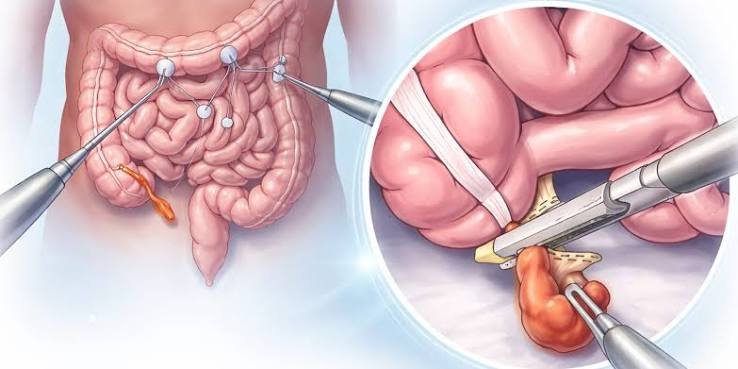
Appendix surgery, also known as appendectomy, is a common surgical procedure used to treat appendicitis, an inflammation of the appendix. If left untreated, the appendix may rupture and cause a serious abdominal infection. Dr. Shashank provides minimally invasive laparoscopic appendix surgery, which uses small key-hole incisions to remove the appendix with less tissue damage and faster recovery.
Appendicitis usually occurs when the opening of the appendix becomes blocked, often by hardened stool or swelling of surrounding lymph tissue. In some cases, infection or other conditions may also contribute to blockage. Prompt medical evaluation is important because inflammation can progress rapidly.
Common symptoms include pain that often begins around the navel and gradually moves to the lower right side of the abdomen. Patients may also experience nausea, vomiting, loss of appetite, mild fever, abdominal tenderness, bloating, or changes in bowel habits. Symptoms can vary, particularly in children and older adults.
Diagnosis is based on the patient’s symptoms, physical examination, and medical history. Blood and urine tests may help identify signs of infection or other conditions. Depending on the situation, an ultrasound or CT scan may be recommended to confirm appendicitis and assess for complications such as an abscess or perforation.
The primary treatment for acute appendicitis is appendectomy, which may be performed using laparoscopic key-hole surgery. Laparoscopic appendectomy involves small incisions and a camera-guided approach, generally resulting in less postoperative pain, smaller scars, and quicker recovery. Antibiotics may also be used in selected cases or when infection or an abscess is present.
After appendix surgery, patients are usually advised to gradually return to normal activities while keeping the surgical wounds clean and dry. A light diet, adequate hydration, prescribed medications, and avoiding strenuous activity during the initial recovery period can support healing. Follow-up with the surgeon helps ensure proper recovery.
Appendix surgery is generally safe, but complications can occasionally occur. These may include infection, bleeding, injury to nearby structures, wound-related problems, or an abdominal abscess, particularly when the appendix has ruptured. Early diagnosis and appropriate treatment can significantly reduce the risk of serious complications.
Severe or worsening abdominal pain, especially pain in the lower right abdomen accompanied by fever, vomiting, or loss of appetite, should not be ignored. Early consultation with a qualified laparoscopic surgeon is important when appendicitis is suspected, as timely treatment can help prevent appendix rupture and other complications.
Mon - Sat : 9:00 AM - 6:00 PM Sunday : By Appointment Only
Expert Surgical Care
for a Healthier Tomorrow
Copyright © 2026 drshashanksurgeon.com
All Right Reserved
Powered by Prigmasoft Technologies
www.prigmasoft.world
WhatsApp us