
Talk to our team and get expert guidance for your surgical needs.
+91 88012 51947 Book a Consultation →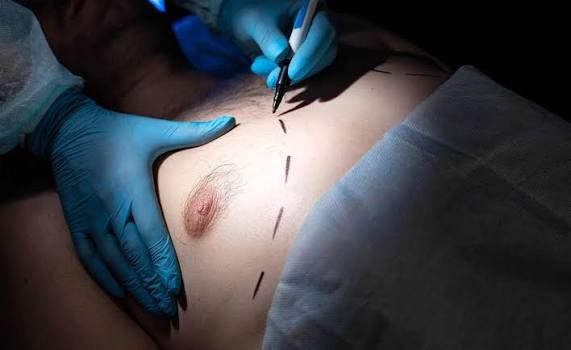
Gynecomastia is a condition in which male breast tissue becomes enlarged, often due to an imbalance between estrogen and testosterone. While it is generally not a serious medical problem, enlarged breast tissue can affect confidence, body image, and quality of life. Gynecomastia surgery, also known as male breast reduction surgery, is a specialized procedure designed to remove excess glandular breast tissue, fat, or both, creating a flatter and more masculine chest contour. Dr. Shashank provides individualized evaluation and surgical care based on the underlying cause, degree of enlargement, and the patient’s aesthetic goals.
Gynecomastia can develop at different stages of life and may be associated with hormonal changes during puberty, adulthood, or older age. Certain medications, obesity, liver or kidney disorders, thyroid problems, and hormonal conditions can also contribute to breast enlargement. In some patients, increased fatty tissue around the chest may create a similar appearance, known as pseudogynecomastia. Identifying the underlying cause is important before considering gynecomastia surgery, as treatment may differ depending on whether the enlargement is primarily due to glandular tissue, excess fat, or a combination of both.
The most noticeable sign of gynecomastia is enlargement of one or both breasts. Patients may experience a firm or rubbery area of tissue beneath the nipple, increased sensitivity, tenderness, or discomfort. The condition can occur on one side or affect both sides, and the degree of enlargement can vary considerably. Although gynecomastia is usually benign, sudden enlargement, significant pain, nipple discharge, skin changes, or a firm lump should be evaluated by a qualified doctor to rule out other underlying conditions.
Diagnosis usually begins with a detailed medical history and physical examination. The doctor may assess the size and distribution of breast tissue, examine the chest and lymph nodes, and review medications, medical conditions, weight changes, and hormonal factors. Depending on the findings, blood tests or imaging such as ultrasound may be recommended to evaluate hormonal levels or distinguish glandular tissue from fatty tissue. A thorough assessment helps determine whether surgery is appropriate and which surgical approach is most suitable for the individual patient.
Treatment for gynecomastia depends on its cause, severity, duration, and the patient’s overall health. In some cases, particularly when hormonal changes or an underlying medical condition are responsible, addressing the underlying cause may reduce breast enlargement. When excess breast tissue persists despite appropriate medical management, gynecomastia surgery can provide a more definitive solution. The procedure may involve surgical removal of glandular tissue, liposuction to reduce excess fat, or a combination of both techniques. In cases involving significant excess skin, additional skin reduction may be considered to achieve a balanced chest contour.
Following gynecomastia surgery, patients are generally advised to follow their surgeon’s instructions carefully to support healing and achieve the best possible result. A compression garment may be recommended to minimize swelling and provide support during the early recovery period. Temporary bruising, swelling, tightness, or mild discomfort can occur and usually improve gradually. Patients should avoid strenuous exercise, heavy lifting, and activities that place excessive pressure on the chest until they are medically cleared. Maintaining a stable weight and following scheduled follow-up appointments can also help ensure proper recovery and allow the surgical results to develop naturally.
As with any surgical procedure, gynecomastia surgery carries potential risks, although significant complications are uncommon when the procedure is performed with appropriate evaluation and surgical care. Possible complications include bleeding, infection, fluid collection, scarring, changes in nipple or skin sensation, asymmetry, contour irregularities, or the need for additional corrective treatment. Temporary swelling and changes in sensation are relatively common during recovery. During consultation, Dr. Shashank can discuss the potential risks, expected outcomes, and factors that may influence individual recovery.
Men who notice persistent or progressive breast enlargement, tenderness, a firm lump, nipple discharge, or changes in the skin around the breast should seek medical evaluation. A consultation is also appropriate when gynecomastia has remained unchanged despite weight management or when enlarged breast tissue is affecting confidence and daily life. Early assessment can help identify any underlying medical cause and determine whether observation, medical management, or gynecomastia surgery is the most appropriate option. A personalized consultation with Dr. Shashank can provide a clear understanding of the available treatment options and expected results.
Mon - Sat : 9:00 AM - 6:00 PM Sunday : By Appointment Only
Expert Surgical Care
for a Healthier Tomorrow
Copyright © 2026 drshashanksurgeon.com
All Right Reserved
Powered by Prigmasoft Technologies
www.prigmasoft.world
WhatsApp us