
Talk to our team and get expert guidance for your surgical needs.
+91 88012 51947 Book a Consultation →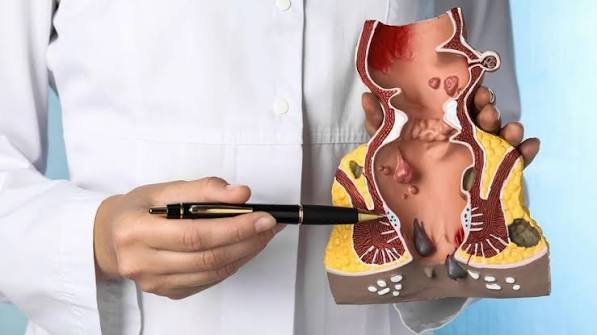
Laser fissure surgery is a minimally invasive treatment for anal fissure, a painful tear in the lining of the anus. It uses advanced laser technology to treat the affected area with minimal tissue damage, helping reduce pain, bleeding and recovery time. The procedure may be considered when fissures do not improve with medicines and lifestyle changes.
Anal fissures commonly develop due to constipation, passing hard stools, prolonged straining during bowel movements or repeated episodes of diarrhoea. In some patients, increased tightness of the anal sphincter can delay healing and contribute to chronic fissures.
The most common symptoms include sharp or severe pain during and after passing stools, bright red bleeding, burning or irritation around the anus, and discomfort while sitting. Persistent symptoms may indicate a chronic anal fissure requiring medical evaluation.
Diagnosis is usually based on the patient’s symptoms and a careful clinical examination. In selected cases, additional investigations may be recommended to rule out other causes of anal pain or bleeding and to determine the most appropriate treatment.
Treatment depends on the severity and duration of the fissure. Initial management may include dietary fibre, adequate hydration, stool-softening measures and prescribed medicines. For chronic or treatment-resistant fissures, laser fissure surgery and other minimally invasive procedures may be recommended to promote healing while reducing postoperative discomfort.
Following laser fissure surgery, patients are generally advised to maintain a fibre-rich diet, drink adequate fluids and avoid constipation or excessive straining. Keeping the area clean and following the surgeon’s medications and instructions can support smooth healing and recovery.
Laser fissure surgery is generally considered a minimally invasive procedure, but as with any surgery, there may be risks such as pain, bleeding, infection, swelling or delayed healing. Your surgeon will discuss the expected benefits, risks and suitability of the procedure based on your condition.
Persistent anal pain, bleeding during bowel movements, recurrent fissures or symptoms that do not improve with conservative treatment should be evaluated by a specialist. Early diagnosis and appropriate treatment can help prevent a fissure from becoming chronic and improve long-term comfort.
Mon - Sat : 9:00 AM - 6:00 PM Sunday : By Appointment Only
Expert Surgical Care
for a Healthier Tomorrow
Copyright © 2026 drshashanksurgeon.com
All Right Reserved
Powered by Prigmasoft Technologies
www.prigmasoft.world
WhatsApp us