
Talk to our team and get expert guidance for your surgical needs.
+91 88012 51947 Book a Consultation →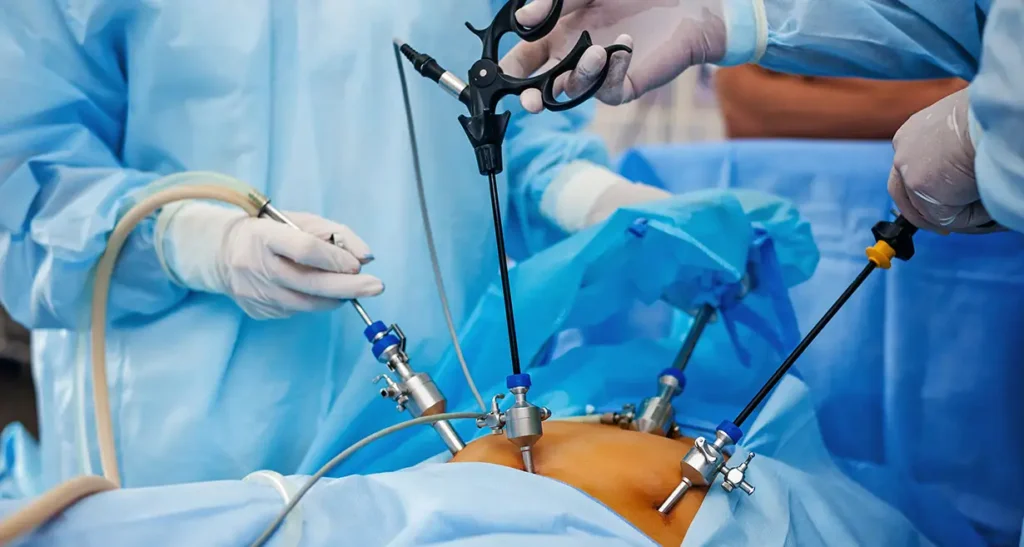
Laparoscopic surgery is a modern minimally invasive technique that uses small keyhole incisions and a specialized camera to perform surgical procedures with greater precision. Compared with traditional open surgery, it generally results in smaller scars, less postoperative discomfort, shorter hospital stays, and a faster return to daily activities. Dr. Shashank provides advanced laparoscopic and minimally invasive surgical care tailored to each patient’s condition.
Laparoscopic surgery may be recommended for conditions that require surgical treatment, including gallstones, hernias, appendicitis, certain gastrointestinal disorders, and other abdominal or pelvic conditions. The need for surgery depends on the severity of the condition, symptoms, medical history, and response to conservative treatment.
Symptoms that may indicate the need for laparoscopic evaluation or treatment vary according to the underlying condition. Common concerns include persistent abdominal pain, swelling or a visible lump, nausea, vomiting, digestive difficulties, changes in bowel habits, or recurrent discomfort. Persistent or worsening symptoms should be medically evaluated.
Diagnosis begins with a detailed medical history and physical examination. Depending on the suspected condition, investigations such as blood tests, ultrasound, CT scans, MRI, or other imaging studies may be recommended. These findings help determine whether laparoscopic surgery is appropriate and allow the surgical approach to be planned safely.
Laparoscopic surgery involves making small incisions through which a camera and specialized surgical instruments are inserted. The surgeon performs the required procedure while viewing the internal organs on a high-definition monitor. Depending on the condition, procedures may include laparoscopic gallbladder surgery, hernia repair, appendectomy, and other minimally invasive abdominal surgeries.
Recovery after laparoscopic surgery is usually quicker than after conventional open surgery, although it varies depending on the procedure and the patient’s overall health. Patients are advised to follow medication instructions, keep the surgical wounds clean, gradually resume physical activity, maintain a suitable diet, and attend scheduled follow-up appointments.
Although laparoscopic surgery is considered safe for many patients, complications can occasionally occur. These may include bleeding, infection, anesthesia-related problems, injury to nearby organs, blood clots, or the need to convert to open surgery in complex cases. A detailed evaluation before surgery helps minimize potential risks.
Consult a qualified surgeon if you experience persistent abdominal pain, a growing or painful lump, recurrent digestive problems, unexplained vomiting, or symptoms that interfere with daily activities. Early evaluation can help identify the underlying condition and determine whether laparoscopic or another minimally invasive treatment is suitable.
Mon - Sat : 9:00 AM - 6:00 PM Sunday : By Appointment Only
Expert Surgical Care
for a Healthier Tomorrow
Copyright © 2026 drshashanksurgeon.com
All Right Reserved
Powered by Prigmasoft Technologies
www.prigmasoft.world
WhatsApp us