
Talk to our team and get expert guidance for your surgical needs.
+91 88012 51947 Book a Consultation →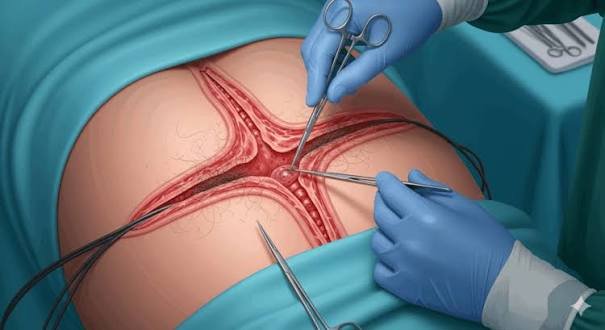
Pilonidal sinus surgery is a procedure used to treat a pilonidal sinus, a small abnormal tract or opening that usually develops in the skin and soft tissue near the cleft of the buttocks. It commonly occurs when loose hair and skin debris become embedded in the area, leading to repeated inflammation or infection. While mild cases may respond to local care and medication, recurrent or complicated pilonidal disease may require surgery to remove the sinus tract and affected tissue. The goal of pilonidal sinus surgery is to eliminate the source of infection, reduce recurrence, and promote comfortable healing.
Pilonidal sinus disease is often associated with hair penetrating the skin around the tailbone area. Friction, prolonged sitting, excessive sweating, and pressure around the buttock crease can contribute to the condition. People with dense body hair, deep natal clefts, or a sedentary lifestyle may have a higher risk. Poor local hygiene may aggravate an existing sinus, although pilonidal disease is not simply caused by inadequate cleanliness. In some patients, the condition may develop after repeated irritation or minor trauma to the area.
A pilonidal sinus may initially cause a small pit or opening near the tailbone without significant discomfort. As inflammation or infection develops, patients may experience pain, swelling, redness, tenderness, or warmth in the affected area. Pus or blood may drain from the opening and may sometimes have an unpleasant odour. An infected pilonidal abscess can cause significant pain and make sitting or walking uncomfortable. Recurrent drainage, intermittent swelling, or repeated episodes of infection may indicate chronic pilonidal sinus disease.
Pilonidal sinus is usually diagnosed through a detailed medical history and physical examination of the area around the buttocks and tailbone. The doctor will assess the skin openings, swelling, drainage, tenderness, and any signs of an abscess or chronic sinus tract. In most cases, additional imaging is not required. However, imaging or other investigations may occasionally be recommended when the diagnosis is uncertain, the disease is extensive, or another condition needs to be ruled out. An accurate assessment helps determine whether conservative management, drainage, or definitive pilonidal sinus surgery is appropriate.
Treatment depends on the severity, duration, and recurrence of the condition. Small or minimally symptomatic sinuses may sometimes be managed with careful hygiene, hair management, and observation. When an acute abscess has formed, drainage is generally required to relieve pressure and infection. For persistent, recurrent, or extensive disease, pilonidal sinus surgery may be recommended to remove the sinus tract and affected tissue. Depending on the individual case, surgical approaches may include excision with appropriate wound management or techniques designed to reduce tension and lower the likelihood of recurrence. The most suitable approach is selected after evaluating the extent of disease and the patient’s overall health.
Proper wound care is an important part of recovery after pilonidal sinus surgery. Patients should follow the surgeon’s instructions regarding dressing changes, bathing, activity, and medication. Keeping the surgical area clean and dry can support healing, while excessive friction or pressure should be avoided during the initial recovery period. Depending on the surgical technique, patients may need to limit prolonged sitting and strenuous activity for a period of time. Maintaining appropriate hair control around the area may also help reduce the risk of recurrence. Regular follow-up appointments allow the doctor to monitor healing and address any concerns promptly.
Pilonidal sinus surgery is generally performed safely, but like any surgical procedure, it can have potential risks. These may include bleeding, infection, discomfort, delayed wound healing, wound separation, scarring, or recurrence of the sinus. The likelihood of complications can vary depending on the extent of the disease, the surgical technique used, wound care, and individual healing factors. Following postoperative instructions and attending scheduled follow-ups can help reduce avoidable complications and support a smoother recovery.
You should consult a doctor if you notice persistent pain, swelling, redness, a lump, drainage, bleeding, or a small opening near the tailbone or between the buttocks. Prompt medical evaluation is particularly important if symptoms are worsening or are accompanied by fever, increasing pain, or significant pus discharge, as these may indicate an abscess or active infection. Patients who experience repeated episodes of pilonidal sinus should also seek specialist assessment, as definitive treatment may help prevent recurrent infections and ongoing discomfort.
Mon - Sat : 9:00 AM - 6:00 PM Sunday : By Appointment Only
Expert Surgical Care
for a Healthier Tomorrow
Copyright © 2026 drshashanksurgeon.com
All Right Reserved
Powered by Prigmasoft Technologies
www.prigmasoft.world
WhatsApp us