
Talk to our team and get expert guidance for your surgical needs.
+91 88012 51947 Book a Consultation →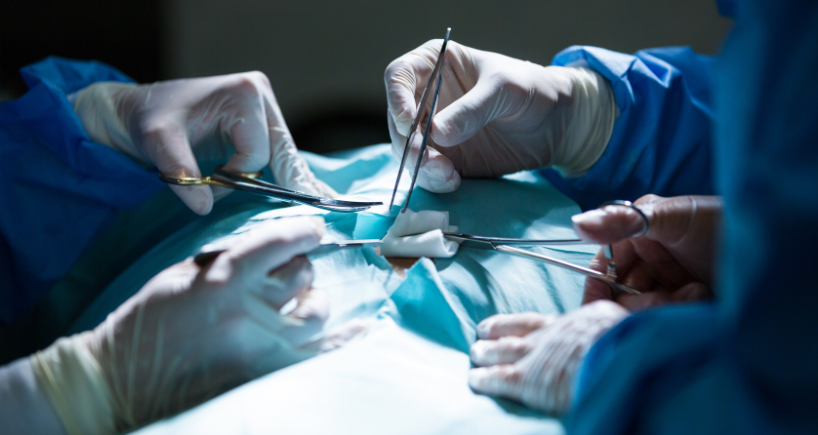
Circumcision surgery is a minor surgical procedure in which the foreskin covering the head of the penis is removed. It may be recommended for medical reasons such as a tight foreskin, repeated infections, difficulty maintaining proper hygiene, or painful retraction. In some cases, circumcision may also be chosen for personal, cultural, or religious reasons. The procedure is generally performed under appropriate anaesthesia, with the technique selected according to the patient’s age, medical condition, and individual requirements.
For patients experiencing foreskin-related problems, circumcision can help relieve discomfort and improve hygiene and quality of life. A thorough consultation with an experienced doctor is important to determine whether circumcision is appropriate and to discuss the expected results, recovery period, and available alternatives.
Circumcision is commonly considered when conditions affecting the foreskin cause ongoing discomfort or difficulty. Phimosis, in which the foreskin is unusually tight and cannot be comfortably retracted, is one of the most common medical reasons. Recurrent balanitis or balanoposthitis, which involve inflammation or infection of the penis and foreskin, may also lead to consideration of surgery. Scarring of the foreskin, repeated tearing, painful erections, or difficulty with urination can further contribute to the need for treatment.
Some foreskin problems may develop because of chronic inflammation, infections, skin conditions, or repeated irritation. Not every foreskin-related concern requires surgery, so proper medical assessment is essential before deciding on circumcision.
Symptoms that may indicate a foreskin problem include difficulty or inability to retract the foreskin, pain during retraction or sexual activity, recurrent redness and swelling, itching, unpleasant discharge, or repeated infections. Some patients may notice discomfort while urinating, a weak or altered urinary stream, or ballooning of the foreskin during urination. Bleeding or small tears in the foreskin may also occur when the tissue is tight or scarred.
The severity and combination of symptoms can vary from patient to patient. Persistent or recurrent symptoms should be evaluated by a qualified doctor rather than treated repeatedly without identifying the underlying cause.
Diagnosis usually begins with a detailed medical history and physical examination. The doctor assesses the foreskin, penis, surrounding skin, and urinary symptoms to determine the nature and severity of the problem. Information about previous infections, pain, difficulty with urination, sexual discomfort, and any history of foreskin injury or scarring can help guide treatment planning.
In most cases, the diagnosis can be made through clinical examination. Additional tests may be recommended when an infection, urinary problem, skin condition, or another underlying issue is suspected. The doctor will then discuss whether conservative treatment, medication, or circumcision surgery is the most suitable option.
Treatment depends on the underlying condition and its severity. Mild foreskin problems may sometimes be managed with appropriate hygiene, prescribed medication, or topical treatments. In selected cases, gentle stretching under medical guidance may also be considered. When the foreskin remains severely tight, recurrent infections continue, significant scarring is present, or conservative treatment does not provide adequate relief, circumcision surgery may be recommended.
Circumcision is performed by removing the problematic foreskin while preserving healthy surrounding tissue. The procedure is generally planned after discussing the patient’s medical history, anaesthesia requirements, expected recovery, and possible risks. The exact surgical approach may vary according to the individual patient and the doctor’s clinical assessment.
Following circumcision surgery, patients may experience mild swelling, tenderness, or sensitivity around the surgical area for several days. Keeping the area clean and following the doctor’s wound-care instructions are important for proper healing. Prescribed medicines should be taken as directed, and activities that may place pressure or strain on the surgical site should be avoided during the recommended recovery period.
Patients should wear comfortable clothing and attend any scheduled follow-up appointments so that healing can be assessed. Sexual activity, including intercourse and masturbation, should generally be avoided until the surgical wound has adequately healed and the doctor confirms that it is safe to resume normal activity.
Circumcision surgery is generally considered a safe procedure when performed by a qualified medical professional, but like any surgery, it carries some potential risks. These may include temporary pain, swelling, bruising, bleeding, infection, or increased sensitivity during the early healing period. In uncommon cases, delayed wound healing, excessive bleeding, or other surgical complications may occur.
Following pre-operative and post-operative instructions can help reduce the likelihood of complications. Patients should contact their doctor promptly if they develop significant bleeding, increasing pain or swelling, fever, pus or unusual discharge, difficulty urinating, or any other concerning change during recovery.
A medical consultation is advisable if you have persistent foreskin tightness, recurrent infections, painful retraction, difficulty urinating, repeated tearing or bleeding, or discomfort during sexual activity. Urgent medical attention is particularly important if the foreskin becomes trapped behind the head of the penis and cannot be returned to its normal position, or if there is severe swelling, significant bleeding, or difficulty passing urine.
An experienced doctor can evaluate the condition and recommend the most appropriate treatment based on your symptoms and overall health. Early assessment can help prevent recurring problems and ensure that circumcision surgery, if required, is planned safely and appropriately.
Mon - Sat : 9:00 AM - 6:00 PM Sunday : By Appointment Only
Expert Surgical Care
for a Healthier Tomorrow
Copyright © 2026 drshashanksurgeon.com
All Right Reserved
Powered by Prigmasoft Technologies
www.prigmasoft.world
WhatsApp us