
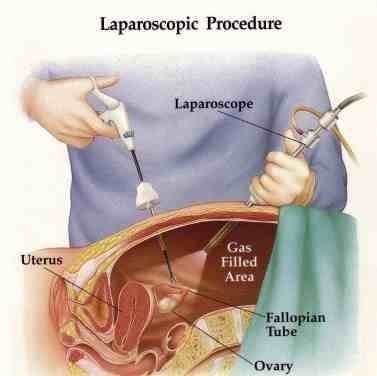
Laparoscopic surgery is a minimally invasive surgical technique performed through small incisions using a camera and specialised instruments. It may help reduce postoperative discomfort, shorten hospital stays, and support faster recovery.
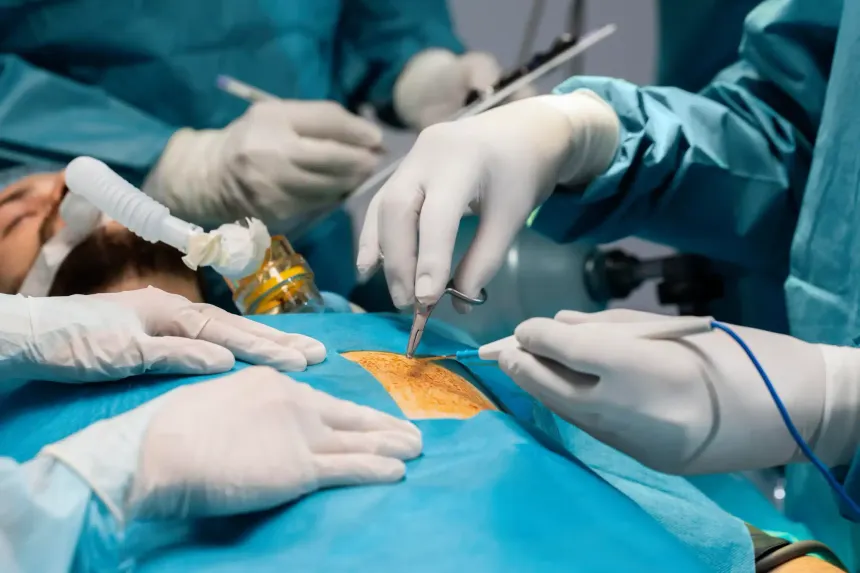
A hernia occurs when an internal tissue or organ pushes through a weakened area of muscle or connective tissue. It may cause a visible bulge, discomfort, or pain, especially during physical activity.Treatment depends on the type and severity of the hernia.
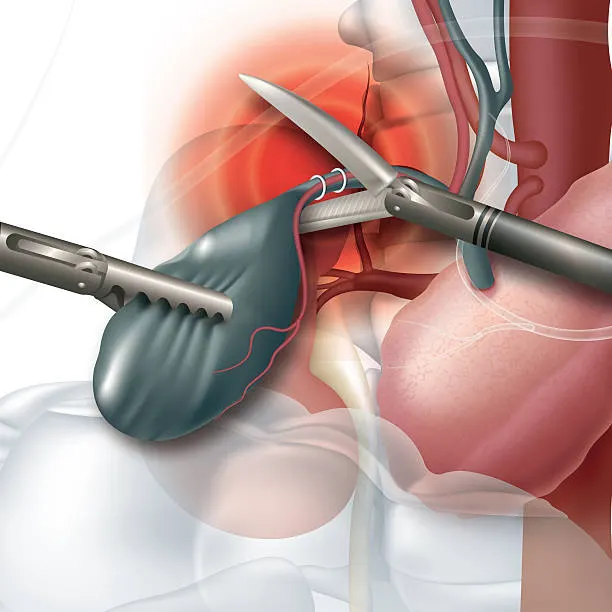
Gallstones are hardened deposits that develop inside the gallbladder and may cause abdominal pain, nausea, and digestive discomfort. When symptoms or complications occur, surgical removal of the gallbladder may be recommended.
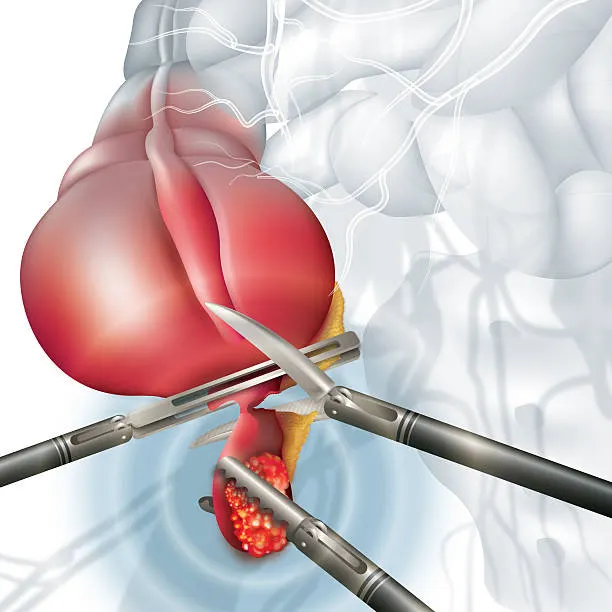
Appendicitis is inflammation of the appendix that can cause abdominal pain, nausea, vomiting, and fever. It requires prompt medical assessment because delayed treatment may lead to serious complications.
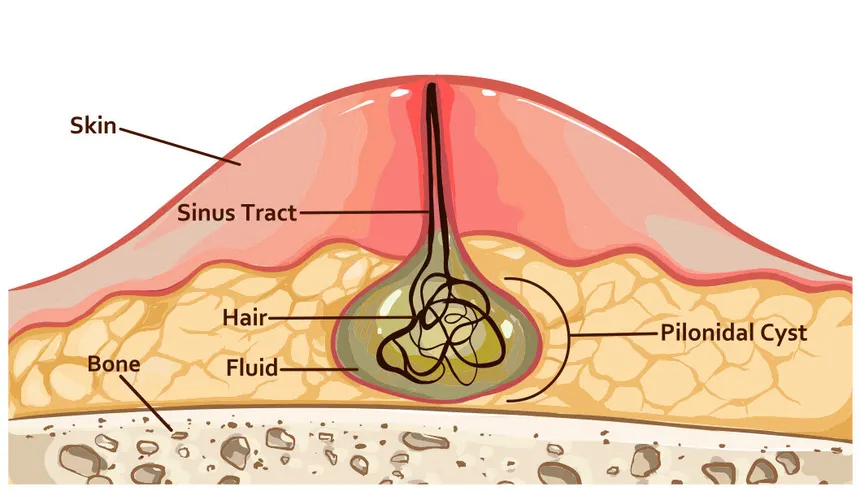
A pilonidal sinus is a small tunnel or opening in the skin, usually near the tailbone, that may collect hair and debris and become infected. Symptoms can include pain, swelling, discharge, and recurrent abscesses.
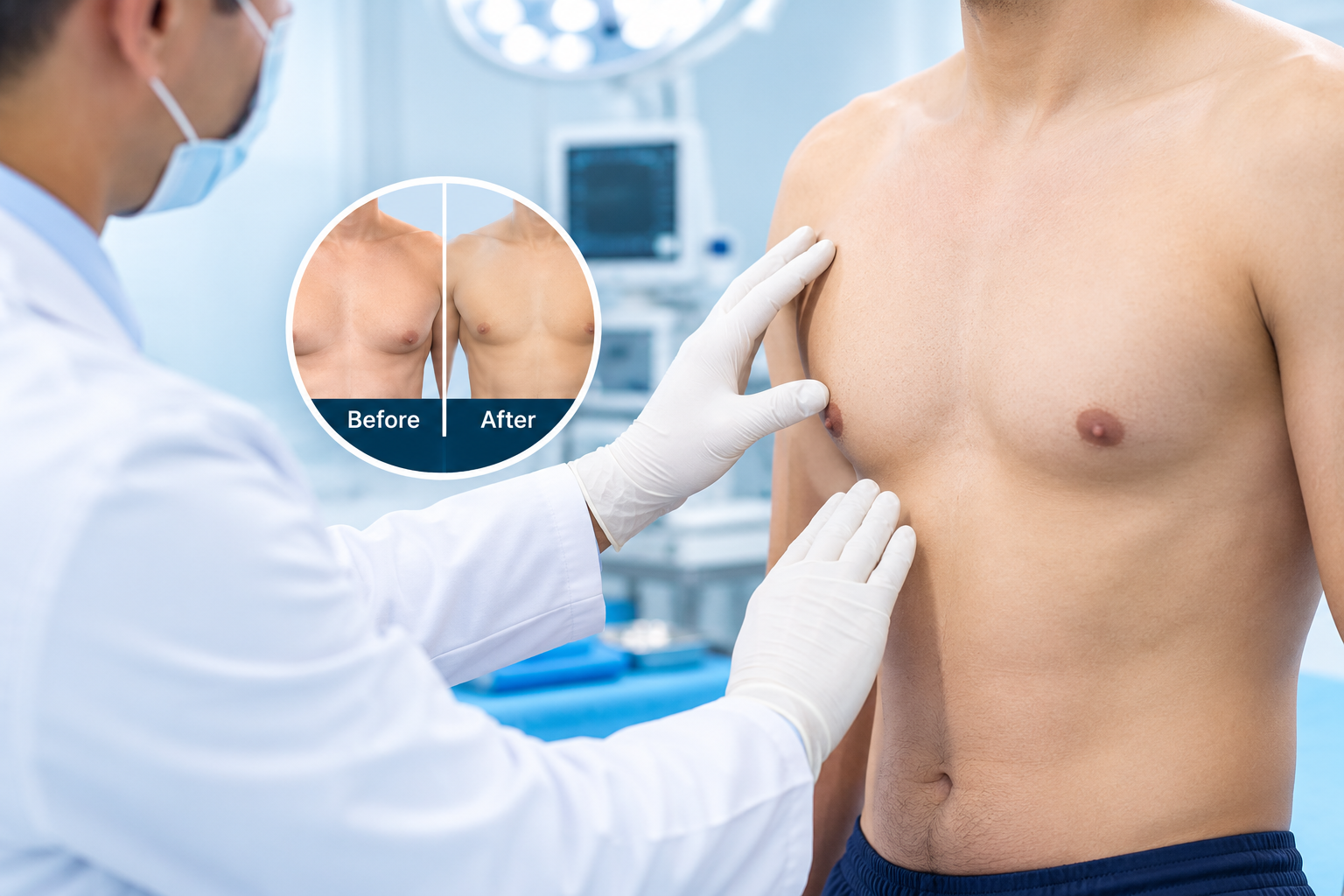
Gynecomastia is the enlargement of breast gland tissue in males and may affect confidence and comfort. It can occur due to hormonal changes, certain medications, or underlying medical conditions.
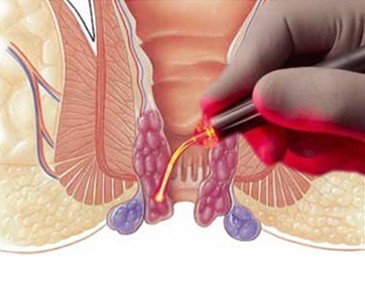
Piles, also known as hemorrhoids, are swollen blood vessels around the anus or lower rectum. They may cause bleeding, pain, itching, swelling, or discomfort during bowel movements.
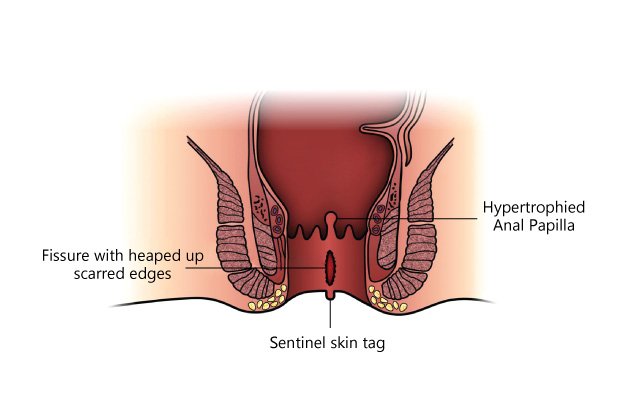
An anal fissure is a small tear in the lining of the anus that can cause sharp pain during bowel movements, burning, and occasional bleeding. Constipation and hard stools are common contributing factors.
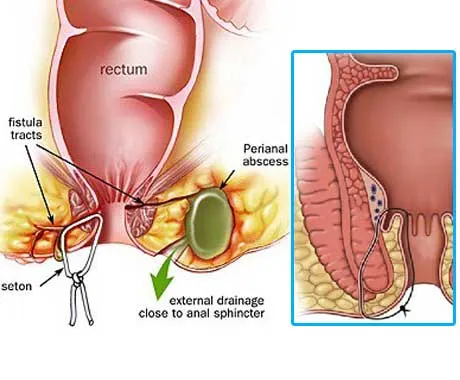
An anal fistula is an abnormal tunnel between the anal canal and the surrounding skin, often developing after an infection or abscess. Symptoms may include persistent discharge, irritation, pain, and recurrent swelling.
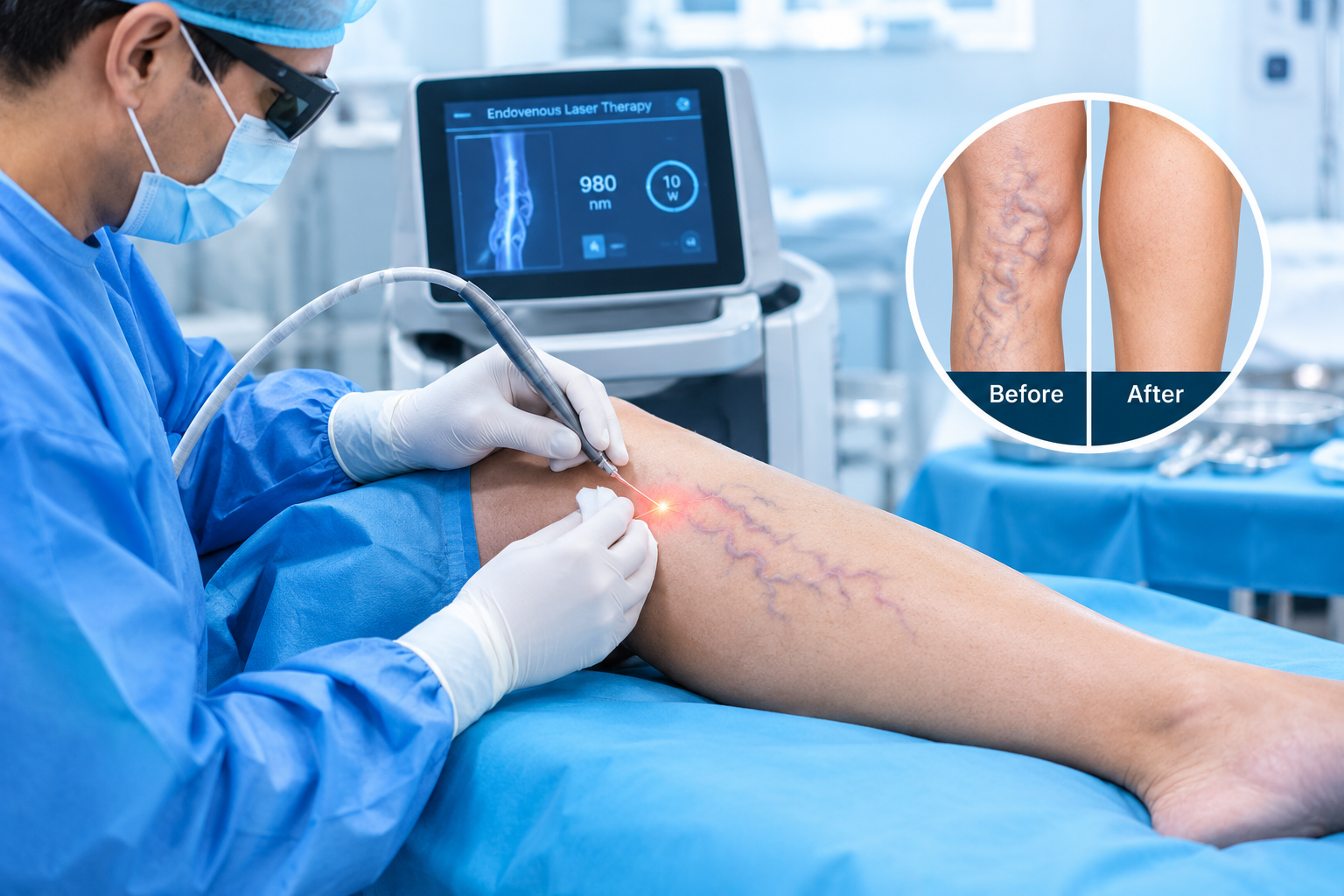
Varicose veins are enlarged, twisted veins that commonly develop in the legs due to weakened vein valves. They may cause aching, heaviness, swelling, itching, or visible bulging veins.Treatment options depend on the severity of the condition and may include compression therapy.
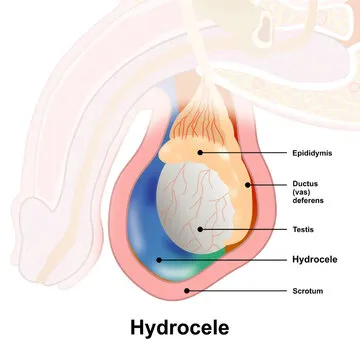
A hydrocele is a collection of fluid around a testicle that can cause swelling in the scrotum. Although many hydroceles are painless, larger ones may cause heaviness, discomfort, or difficulty with daily activities. It helps distinguish a hydrocele from other causes of scrotal swelling.
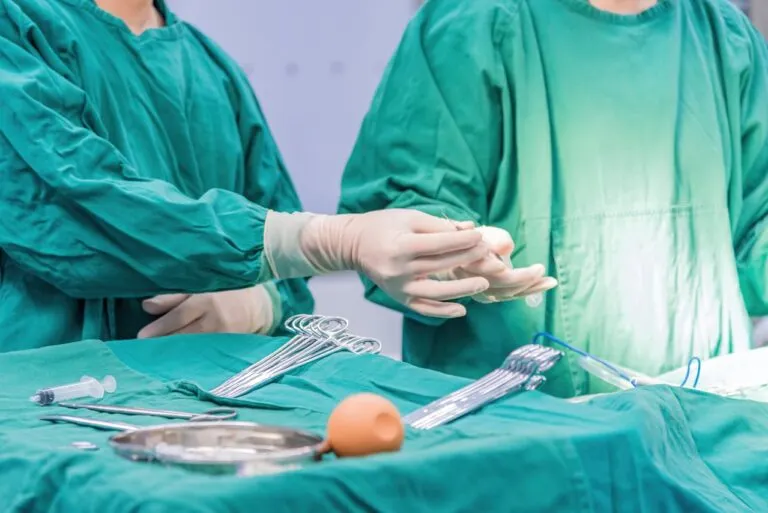
Circumcision is a surgical procedure to remove the foreskin covering the head of the penis. It may be recommended for medical conditions such as phimosis, recurrent inflammation, or other foreskin-related problems.The procedure is planned according to the patient’s age.
Mon - Sat : 9:00 AM - 6:00 PM Sunday : By Appointment Only
Expert Surgical Care
for a Healthier Tomorrow
Copyright © 2026 drshashanksurgeon.com
All Right Reserved
Powered by Prigmasoft Technologies
www.prigmasoft.world
WhatsApp us