
Talk to our team and get expert guidance for your surgical needs.
+91 88012 51947 Book a Consultation →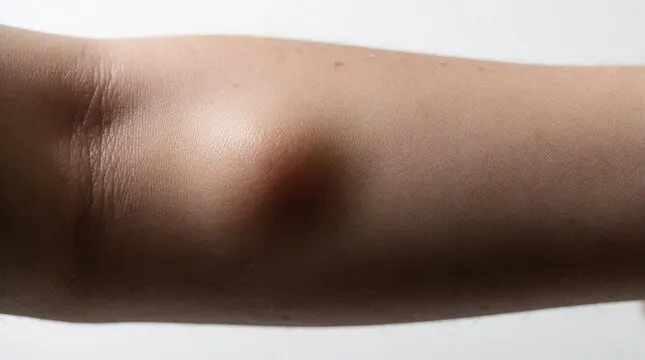
Lipomas, sebaceous cysts, and other skin swellings are common conditions that can develop beneath or on the surface of the skin. Although most of these lumps are benign (non-cancerous), they may cause discomfort, pain, cosmetic concerns, or difficulty with everyday activities, depending on their size and location. Lipomas are soft, fatty lumps that usually grow slowly beneath the skin, while sebaceous cysts are commonly used to describe epidermoid cysts, which develop when skin cells become trapped beneath the surface and form a sac filled with keratin.
These swellings can appear on different parts of the body, including the neck, back, shoulders, arms, face, scalp, and trunk. Some remain small and painless for years, while others may gradually increase in size, become inflamed, or develop an infection. Early medical evaluation helps identify the nature of the swelling and determine whether observation or surgical removal is necessary. With appropriate surgical techniques, lipoma removal and sebaceous cyst surgery can be performed with attention to patient comfort, complete removal, and cosmetic results.
Lipomas develop due to an accumulation of mature fat cells beneath the skin. The exact reason for their formation is not fully understood, but genetic factors may play a role, particularly in individuals with a family history of multiple lipomas. They are more commonly seen in adults and may develop gradually over time. Although minor injuries are sometimes associated with the appearance of a lump, a direct cause-and-effect relationship has not been established.
Sebaceous cysts, more accurately referred to as epidermoid cysts in many cases, usually develop when skin cells become trapped beneath the skin instead of shedding normally. Blocked hair follicles, skin injuries, inflammation, and certain skin conditions may contribute to their formation. These cysts contain keratin, a protein naturally produced by the skin, and may gradually enlarge. Other skin swellings can develop due to infections, inflammation, enlarged lymph nodes, or abnormal tissue growth, making proper medical assessment important.
The symptoms of lipomas, sebaceous cysts, and other skin swellings vary depending on their type, size, and location. A lipoma typically appears as a soft, rubbery lump beneath the skin that moves slightly when touched. It is usually painless and grows slowly, although larger lipomas may cause discomfort, pressure, or restricted movement when located near muscles, joints, or nerves.
Sebaceous or epidermoid cysts generally appear as round, firm lumps just beneath the skin. They may have a small visible opening or central pore and can sometimes release thick, whitish material with an unpleasant smell. When infected or inflamed, a cyst may become red, swollen, warm, and painful, sometimes developing pus or discharge. Other skin swellings may present as hard or soft lumps, tenderness, redness, or changes in size. Any swelling that grows rapidly, becomes painful, or changes in appearance should be evaluated by a qualified surgeon.
Accurate diagnosis is essential to identify the type of skin swelling and plan the appropriate treatment. The evaluation usually begins with a detailed medical history and physical examination, during which the surgeon assesses the lump’s size, location, shape, texture, mobility, and growth pattern. The presence of pain, redness, discharge, or signs of infection is also considered.
Ultrasound imaging may be recommended to examine the swelling’s depth, internal structure, and relationship with surrounding tissues. In certain cases, additional investigations, such as a biopsy or other imaging tests, may be necessary, particularly when the lump is unusually large, deep, rapidly growing, or has uncertain characteristics. If a swelling is surgically removed, the tissue may be sent for histopathological examination to confirm the diagnosis and rule out other conditions.
Treatment for lipomas, sebaceous cysts, and skin swellings depends on their size, location, symptoms, growth pattern, and diagnostic findings. Small, painless lipomas that are not increasing in size may simply be monitored through regular medical examinations. However, surgical removal may be recommended when a lipoma causes discomfort, grows significantly, affects movement, or creates cosmetic concerns.
Lipoma removal surgery involves making an incision over the swelling and carefully removing the fatty tissue while preserving surrounding structures. Sebaceous or epidermoid cyst removal involves removing the cyst, ideally along with its entire wall, to reduce the possibility of recurrence. If a cyst is infected or severely inflamed, the surgeon may first recommend treatment to control the infection, sometimes including drainage, before considering complete removal. Depending on the nature and location of the swelling, suitable procedures may be performed under local or general anaesthesia. Minimally invasive surgical techniques and carefully planned incisions can help reduce tissue disruption and improve cosmetic outcomes in appropriate cases.
Proper post-operative care is important for comfortable healing and reducing the risk of complications after lipoma or sebaceous cyst removal surgery. Patients are advised to keep the surgical area clean and dry, follow the prescribed wound-care instructions, and take medications as directed by the surgeon. Mild swelling, bruising, tenderness, or discomfort around the incision site may occur during the initial recovery period and generally improves as healing progresses.
Patients should avoid excessive pressure on the operated area, strenuous physical activity, and heavy lifting until the surgeon confirms that normal activities can be resumed. Keeping follow-up appointments is important for monitoring wound healing and removing stitches when necessary. If the removed tissue has been sent for laboratory examination, the histopathology report should also be reviewed with the surgeon. Following these instructions supports proper recovery and helps identify any early signs of complications.
Lipoma removal and sebaceous cyst surgery are generally safe procedures when performed after appropriate evaluation by an experienced surgeon. However, as with any surgical procedure, certain risks may occur, including bleeding, infection, swelling, bruising, pain, and delayed wound healing. Some patients may develop a small scar or temporary changes in skin sensation around the operated area.
In cases of sebaceous cyst removal, incomplete removal of the cyst wall may increase the possibility of recurrence. Similarly, lipomas may occasionally return if some fatty tissue remains or if new lipomas develop elsewhere. Larger or deeper swellings may require more extensive surgical planning because of their proximity to nerves, blood vessels, or muscles. Proper diagnosis, careful surgical technique, and appropriate post-operative care help minimise these risks and support better treatment outcomes.
You should consult a qualified general surgeon if you notice a new lump beneath your skin, even if it is painless or appears harmless. Medical evaluation is particularly important when a swelling increases in size, becomes hard or painful, develops redness or discharge, or interferes with your daily activities. A lump that grows rapidly, feels fixed to deeper tissues, or is unusually large should receive prompt medical attention.
If you experience fever, spreading redness, severe pain, or pus discharge from a swelling, seek medical assessment promptly, as these may indicate an infection requiring treatment. Early consultation with Dr. Shashank can help determine whether the swelling is a lipoma, sebaceous cyst, or another condition and whether observation, medication, drainage, or surgical removal is appropriate. With personalised treatment planning and suitable minimally invasive surgical techniques, patients can receive effective care focused on safe removal, comfortable recovery, and good cosmetic results.
Mon - Sat : 9:00 AM - 6:00 PM Sunday : By Appointment Only
Expert Surgical Care
for a Healthier Tomorrow
Copyright © 2026 drshashanksurgeon.com
All Right Reserved
Powered by Prigmasoft Technologies
www.prigmasoft.world
WhatsApp us